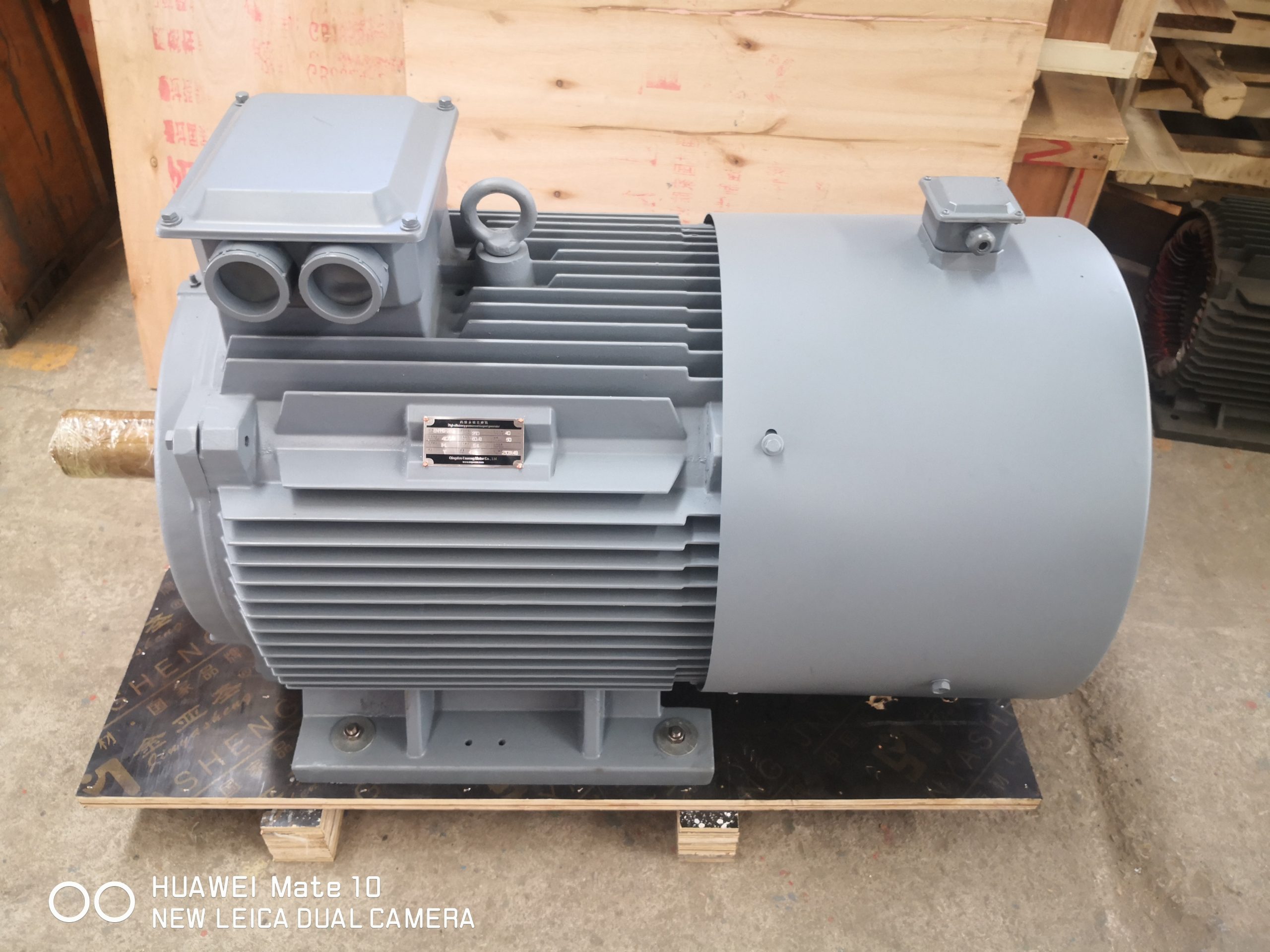
Permanent magnet motor price is on the agenda of this hypothetical quote review, but nobody starts with the totals. Three offers are on screen. The first covers a bare motor. The second carries a drive and encoder. The third includes a cooler, testing, and two days at site. A buyer who sorts the price column now will get a neat answer to the wrong question.
The team instead works from the shaft outward. Three handwritten questions sit beside the screen. What is in the crate? What must the plant add? Which record will prove the duty?
9:00: the scope sheet goes up
The engineer shares a blank worksheet. He reads the rows aloud: motor and drive; feedback and cable; cooler and sensors; coupling, base, guard, and spares; testing, paperwork, packing, freight, and help at site. Nobody is allowed to type a price yet. Each bidder's column gets one of three entries: included, excluded, or option.
The exercise quickly finds the first gap. Offer A says “standard accessories,” but never names them. That cell stays open. Offer B includes a fan but leaves the starter and cable to the customer. Offer C includes a liquid cooler while its price excludes site pipework. Any of those choices might suit the job. Treating them as the same delivery would not.
Tax, Incoterm, certificates, and commissioning go on the lower part of the sheet. They are not motor hardware, yet somebody will pay for them. When every row has an owner, the totals can enter the room.
9:25: one kilowatt figure becomes two machines
The process engineer draws a pump duty beside a mixer duty. Both happen to use the same nominal power. The pump settles near one speed. Material is already in the mixer when it starts; later, the shaft crawls; near the end, the batch thickens. The shared label has concealed two current patterns and two ways of making heat.
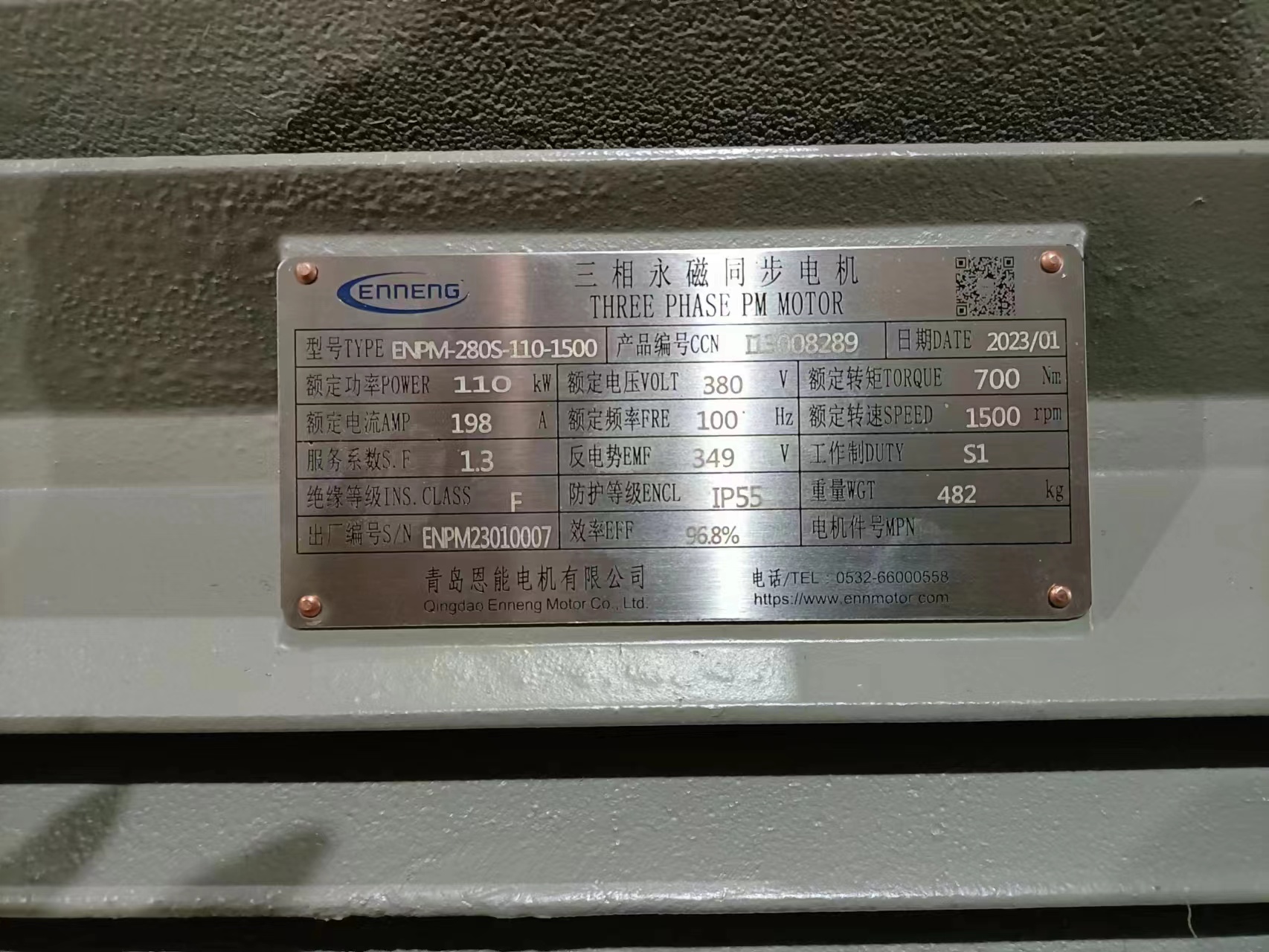
Now the group writes what the shaft actually does: continuous speed and torque, each peak, peak duration, starts per hour, acceleration, braking, reversal, inertia, and loaded time close to zero speed. A possible jam is added in red. Where a value came from a calculation, the formula stays attached. One cell is marked unknown, which creates a measurement task rather than a comfortable guess.
Someone proposes a broad safety margin. The group pauses. A bigger frame leads to a bigger drive; a bigger drive can pull the cable, cooler, base, and freight upward too. Maybe that chain is justified. The reason needs to be written down. On the PMSM torque-speed curve guide, the team can pin each known duty point and leave uncertainty visible.
10:00: the drive stops being somebody else's problem
The drive model is missing from one offer. The buyer writes “open” beside electrical scope. The reviewer then asks a sequence of short questions. Which supply voltage? How much normal and peak current? Which control mode and enclosure? Who provides cooling, braking hardware, filters, option cards, software, and parameter support?
Feedback creates a second discussion. Sensorless operation might cover ordinary running. The machine, however, must sometimes start loaded and hold torque near standstill. The supplier is asked whether that duty needs an encoder or resolver. If it does, the card, mounting, connector, cable, and service access all need a home in the quote. “Encoder ready” cannot be counted as an encoder in the crate.
The group uses the PMSM vector-control guide to close the remaining questions. The motor and inverter may have different purchase orders. Compatibility still needs one named owner.
10:40: slow speed raises a cooling question
At the lowest operating point, the shaft turns slowly while torque stays high. A shaft-mounted fan would slow down with it. The team therefore asks where the losses go. One bidder proposes a separate fan. Another chooses liquid cooling. The first needs auxiliary power. The second needs a pump loop, exchanger, hoses, flow proof, temperature signals, and connections at site. Those pieces move back onto the price sheet.
The plant representative describes a dusty indoor bay. Summers are warm, and the nearest cooling-water branch is inconvenient. Numbers for temperature, altitude, humidity, and utilities replace those plain words; dust, orientation, and ingress are recorded too. The liquid-cooled option now shows the piping job missing from page one.
The group opens the IEC 60034 series. Ratings are not filed with every test, nor are enclosure, cooling, mounting, noise, vibration, and efficiency collapsed into one promise. That structure explains why the words “IEC motor” cannot finish the RFQ. The applicable parts and editions are written out.
11:15: the old drawing meets the real base
The maintenance lead puts a recent site photograph beside the archived drawing. A guard has moved. Extra shims sit under one foot. A pipe now crosses the lifting path. Matching the old center height, they realize, will not move the pipe or widen the doorway.
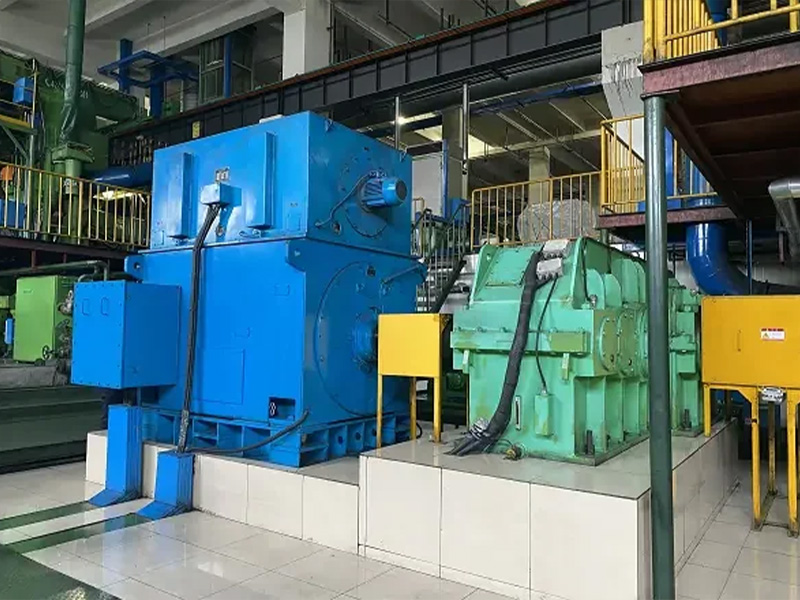
The engineer marks the shaft and key on one view, then the feet, flange, bolts, coupling, and free space on another. Load arrows show radial and axial force. Alignment, tolerances, foundation checks, and thermal growth get owners. The lifting route gets its own sketch.
Custom mechanics are not treated as a fault. A special shaft or restricted frame might avoid rebuilding the driven equipment. It simply belongs in the choice. ENNENG's admitted archive records identify standard, general, and tailor-made permanent-magnet motor families; they do not prove that this particular shaft is standard. The motor series overview starts the discussion, while the controlled outline drawing settles the interface.
13:30: “tested” is unpacked
After lunch, two test scopes appear side by side. One is a routine unloaded run. The other holds agreed torque and speed points, waits for temperature stabilization, records vibration, and includes a witness. Calling each one a test is fair. Calling them equivalent is not.
For every check, the sheet asks six things: under what condition, with which instrument, after what stabilization, within which tolerance, in what report, signed by whom? Full process load cannot be reproduced at this factory, so the group splits the evidence: defined factory checks first, followed by a loaded site test. That agreement is written before award rather than argued about on inspection day.
Documents receive the same attention. “Can we install and commission from this package?” becomes the test. The answer requires an approved data sheet and outline, wiring and sensor diagrams, the motor parameters, reports, manuals, relevant certificates, packing data, and spares information. The buyer adds format, language, and review cycle in the margin. A late drawing can hold up foundations and cables even if the motor itself is on schedule.
The U.S. Department of Energy Motor Systems resources put the drive, motor, transmission, and load inside one system boundary. The group draws the same boundary around money and proof. Moving expense from the motor row to the installation row has not made it disappear.
14:20: purchase price becomes project cost
The buyer makes three passes through the numbers. The first stops at delivered equipment. The second follows the project through design, steelwork, wiring, lifting, alignment, outage, startup, and training. The last pass follows years of electricity, auxiliary cooling, planned care, spares, and replacement.
The model keeps its assumptions in view. A note beside operating hours says “check with production.” Tariff comes from the latest bill. Labor and downtime still have ranges. With those loose inputs, a base case and two boundaries say more than a guaranteed payback date. When energy matters, both alternatives use equal process output and both include drive and cooling losses.
15:10: the calendar and exception log decide the ranking
Offer B promises twelve weeks. The buyer asks, “From which event?” The answer is approved drawing, not purchase order. That distinction goes beside drawing review and freight time. The remaining questions are less dramatic but still expensive: currency and tax, payment dates, validity, packing, warranty, and the wait for a spare.

Five exceptions remain. Engineering decides whether each different voltage, sensor, cooling method, test, or interface works. Purchasing attaches cost. The supplier returns the accepted change in its offer. Only then does the price ranking become defensible.
What the final RFQ contains
The finished request tells the process story and attaches the torque-speed-time duty. It also contains the supply and drive notes, site conditions, cooling utilities, interface drawings, protection logic, standards, test sheet, document list, delivery point, and buying terms. Estimates wear an estimate label; blanks remain blanks. Each bidder returns its total with the boundary, assumptions, exclusions, departures, and options beside it.
The company evidence has a narrow job here. ENNENG-CAND-002 records archived permanent-magnet motor activity. ENNENG-CAND-003, ENNENG-CAND-004, and ENNENG-CAND-005 record three family categories; ENNENG-CAND-010 records a customization statement. None of them supplies today's price or lead time, certifies a motor, proves compatibility, or promises savings. Send the operating data when the real project is ready for a response.
Evidence boundary
This worked review is illustrative, not a report of a customer project. IEC and DOE support the standards structure and system method; neither publishes an ENNENG price or approves a configuration. The admitted company records carry only the limited statements identified above. An actual purchase still depends on its quotation, controlled data sheet, drawings, test plan, and commercial terms.