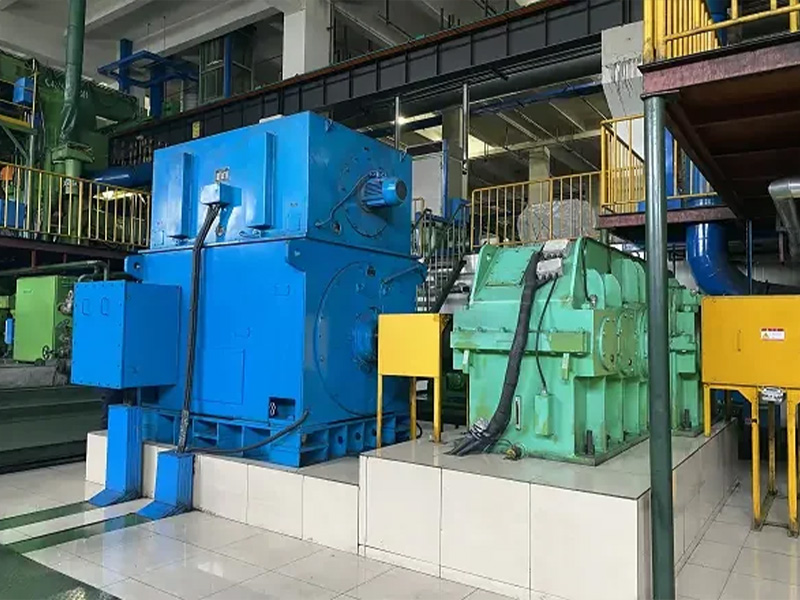
Motor and drive must be selected together
A PMSM normally operates with an electronic drive that controls stator current and electrical frequency. The drive must support the motor type, voltage, current, switching strategy and feedback method required by the application. Low-speed torque, rapid reversals, wide constant-power operation or tight process regulation can change the need for an encoder and the required control mode. Confirm those requirements before fixing the drive architecture.
Cable length, grounding, bearing-current mitigation, electromagnetic compatibility and protection settings also belong in the design review. A mechanically suitable motor can still perform poorly if the drive is not commissioned with correct motor data or if the installation creates unacceptable voltage stress. The inquiry checklist on this site asks for system information so motor and drive questions are resolved in the same technical exchange.
Thermal duty defines usable output
Rated power is meaningful only with its associated speed, cooling method, ambient temperature, altitude and duty cycle. Continuous operation at one point imposes a different thermal load from intermittent peaks. At reduced speed, a shaft-mounted fan may move less cooling air, while frequent acceleration adds current and heating. The thermal model should reflect the real cycle rather than a single headline power value.
Share ambient conditions, dust or moisture exposure, installation orientation and any restrictions on ventilation or liquid cooling. If the motor sits near a hot process or inside an enclosure, include that information. These details help define temperature margin, insulation requirements, sensor needs and protection logic. They also prevent a nominally correct rating from being applied outside the conditions under which it was established.
Mechanical integration is part of selection
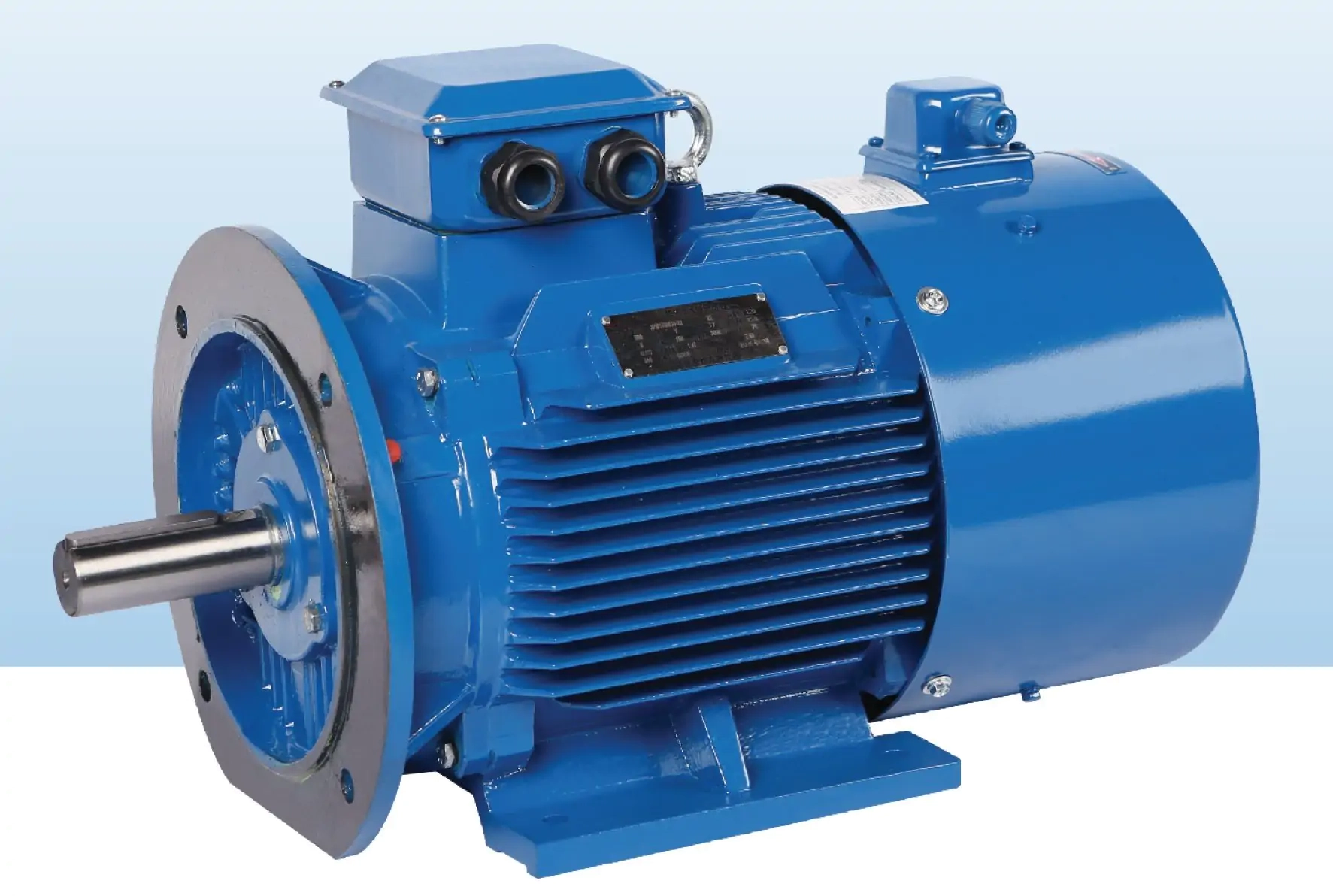
Frame dimensions alone do not prove interchangeability. Check shaft diameter and extension, key or spline details, flange register, foot position, coupling arrangement, radial and axial loads, balance requirements and the natural frequencies of the coupled system. For replacement work, provide the existing motor drawing and clear photographs of the base, shaft and connection area.
Alignment and foundation stiffness influence bearing life, vibration and coupling behavior. The Department of Energy motor guidance includes shaft alignment among practical motor-system concerns. A replacement plan should therefore include alignment tolerances, soft-foot checks and a baseline vibration record. If a different rotor inertia changes acceleration or torsional response, the driven machine and control sequence may also need review.
Compare performance at real duty points
A sound comparison uses a duty profile rather than one best-case point. List the expected hours at each speed and load, then evaluate input power across that profile. Include drive and transmission losses when they differ between alternatives. This reveals whether an efficiency advantage occurs where the process actually operates and prevents a peak figure from being mistaken for annual performance.
Also compare power factor, starting behavior, overload needs, cooling auxiliaries and maintenance tasks. If the project is a retrofit, measure existing electrical input and process output before making claims about savings. Baseline data should be collected under comparable production conditions. ENNENG can discuss equipment configuration, but project savings must be calculated from site data and verified after commissioning.
Commissioning closes the engineering loop
Before first run, verify wiring, insulation, grounding, rotation, sensor signals, drive parameters and protection thresholds. Begin with controlled checks, then move through no-load or uncoupled tests where the machine design allows, followed by loaded operation. Record current, voltage, speed, temperature and vibration so the installation has a traceable baseline.
Acceptance criteria should be agreed before shipment or installation. Define the duty point, measurement method, stabilization period and responsibility for instruments. If performance is assessed at system level, identify every included component. This creates a fair basis for troubleshooting and prevents an undefined field observation from being treated as a motor-only conclusion.
Information to include in an RFQ
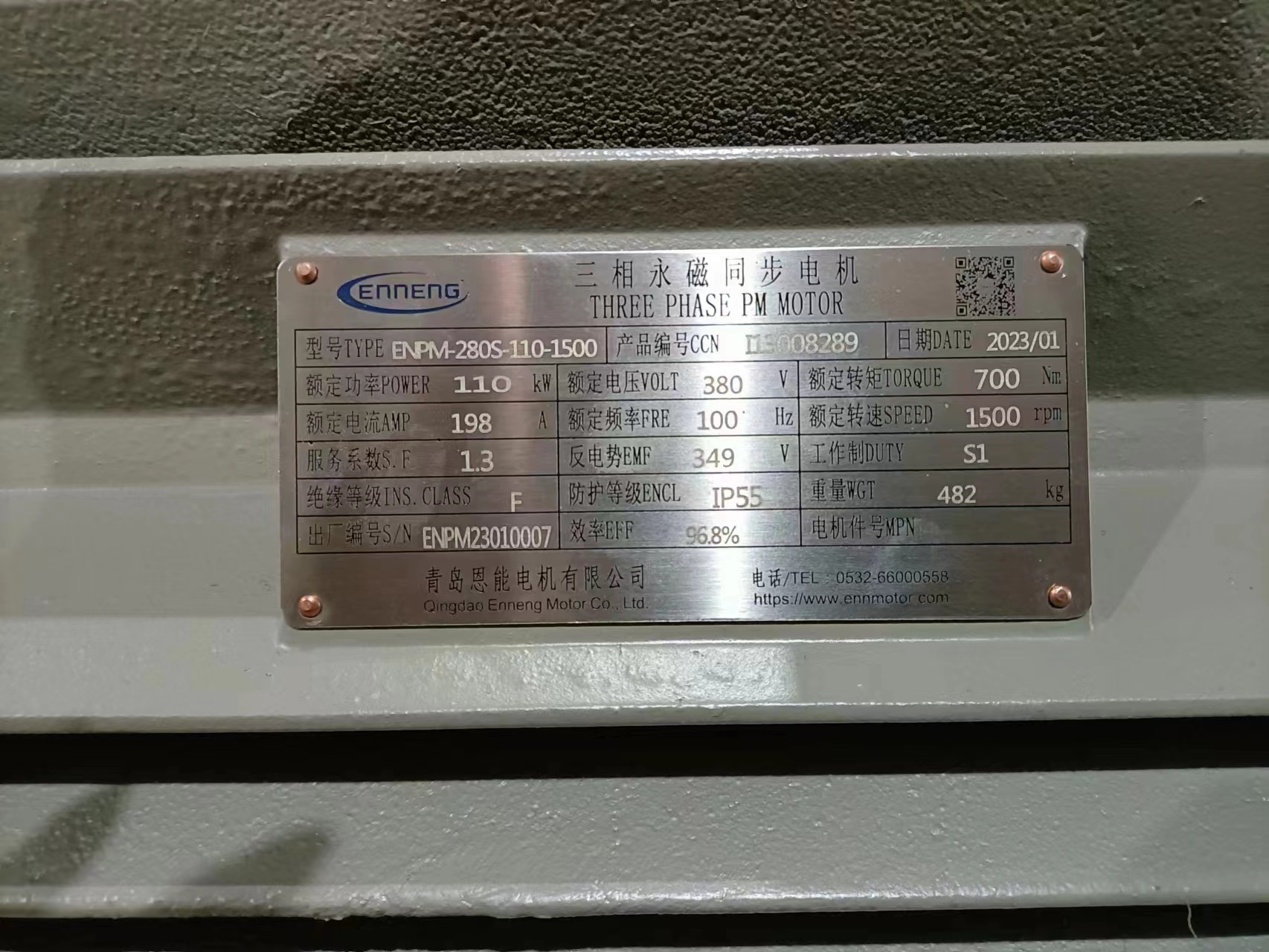
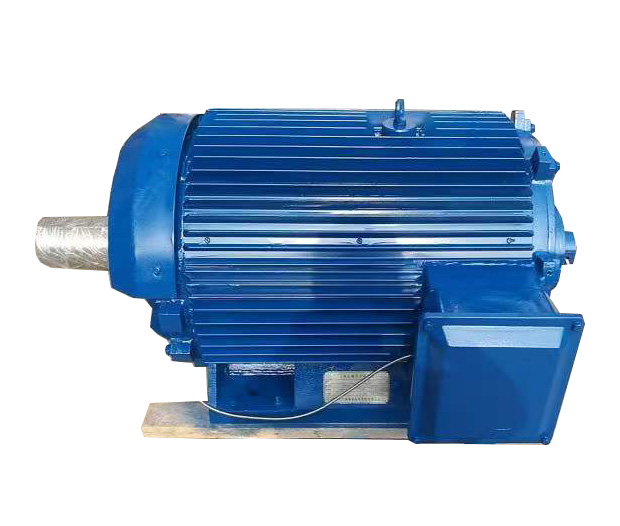
A productive request for quotation includes the driven equipment, required shaft power or measured load, continuous and peak torque, base and maximum speed, supply voltage and frequency, proposed drive, duty cycle, starts per hour, ambient conditions, cooling preference, enclosure needs and mechanical interface. Add drawings and an existing nameplate photo for replacement projects.
Mark unknown values instead of estimating them. ENNENG can then identify which missing inputs are essential, which can be calculated and which require a site measurement. This approach produces a configuration discussion with explicit boundaries. It also gives procurement teams a comparable technical basis when they review different architectures or suppliers.